No products
 Facebook
 Google

Intro — How to choose binoculars
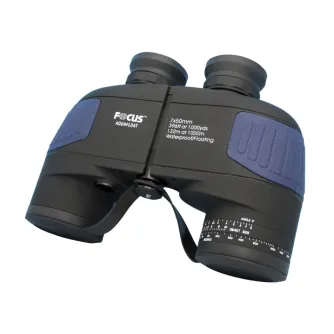
Overview: A practical guide to choosing a binocular from the MasterFoto range — children’s, travel, marine and hunting models with tips and product links.
Summary: MasterFoto offers budget-friendly options for kids and travellers (e.g. Focus Junior, Activa) and specialised bright or waterproof models for sea and low-light observation (e.g. Aquafloat 7x50, Observer 8x56). This article helps you quickly choose the right binocular for your needs.
See all binoculars: https://www.masterfoto.lv/lv/385-binokli
Children — Junior binoculars
Why choose children’s binoculars? Lightweight construction, simple focusing and low magnification make binoculars easier for kids to handle and keep images steady.
Key features to look for:
- Magnification 6–8× for stable view
- Large, easy-to-turn focus wheel
- Rubber coating for shock protection
- Short minimum focus distance for close observation
Recommended models:
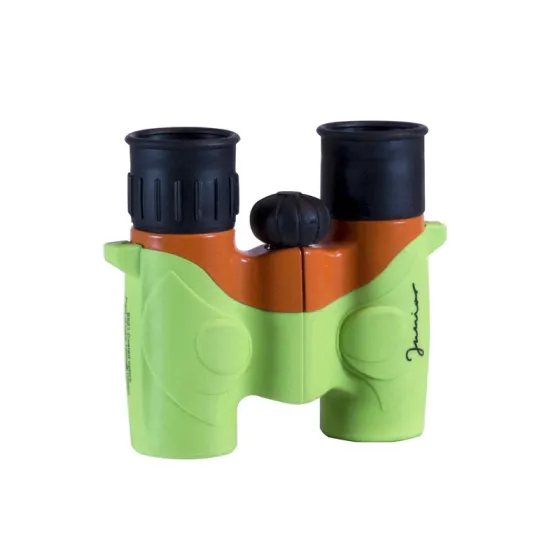
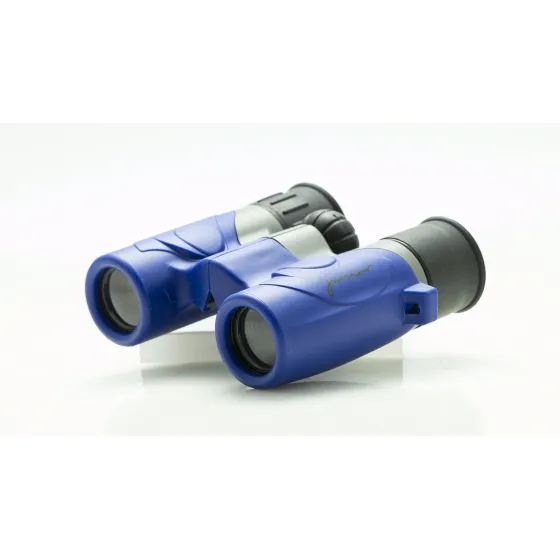
- FOCUS JUNIOR 6x21 — ID 2624 / 19012 — ideal starter, light (~180 g), wide field of view. https://www.masterfoto.lv/lv/binokli/2624-focus-junior-6x21.html
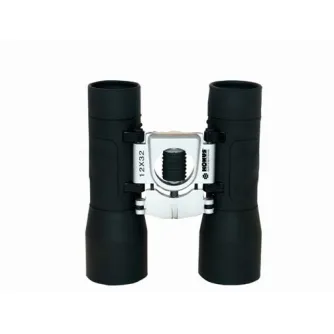
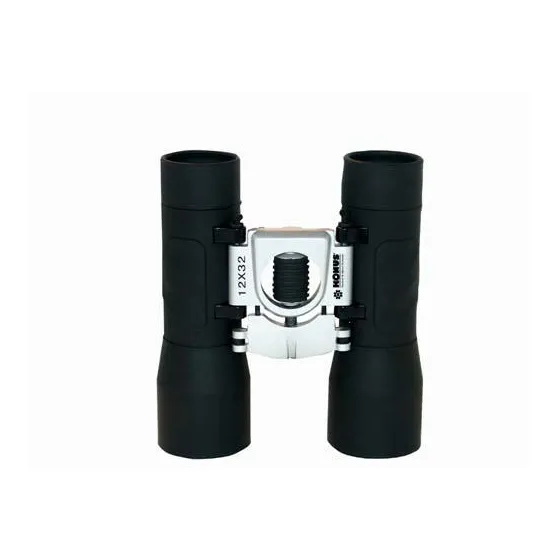
- Konus Basic 12x32 — ID 31131 — higher magnification for older kids; consider tripod for stability. https://www.masterfoto.lv/lv/binokli/31131-konus-binoculars-basic-12x32.html
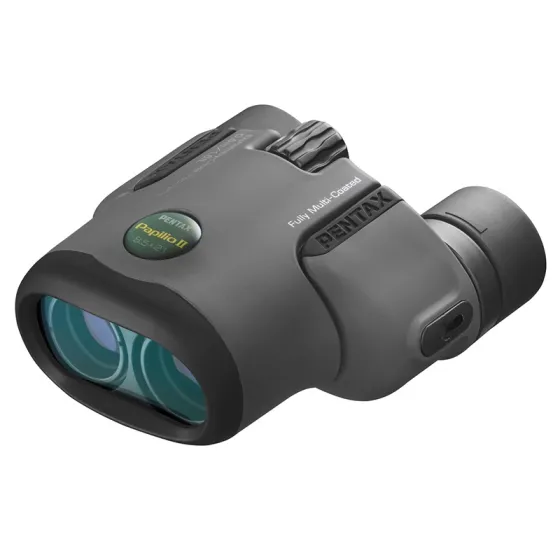
- Pentax Papilio II 8.5x21 — ID 22851 — extremely short focus for close-up nature study. https://www.masterfoto.lv/lv/binokli/22851-pentax-papilio-ii-85x21.html
Care tips: Use a lightweight strap and case, teach gentle handling, wipe optics with a soft microfiber cloth and avoid wet hands.
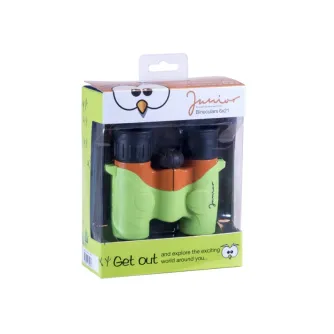
FOCUS JUNIOR 6X21 GREEN/ORANGE
Tourism — Travel binoculars
What matters for travel binoculars? Choose compact, light models with good coatings (FMC), balanced brightness and weight. Ideal sizes are 8×30–10×32 or 8×40/10×42 for more light.
Key selection points:
- Weight and packability for long hikes
- Objective 32–42 mm for balance between brightness and size
- FMC coatings and BaK4 prisms for better contrast
- Water resistance and nitrogen filling for variable weather
Recommended models:
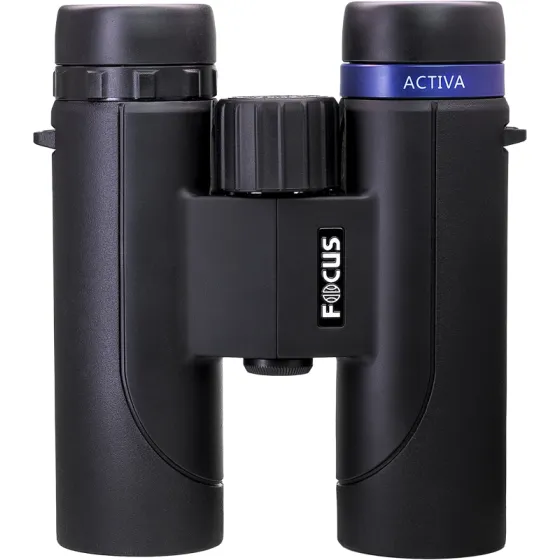
- Focus Activa 10x32 — ID 30617
- Konus Basic 12x32 — ID 31131
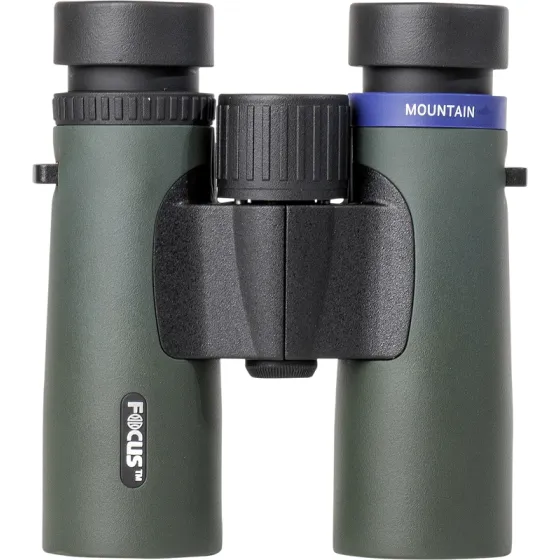
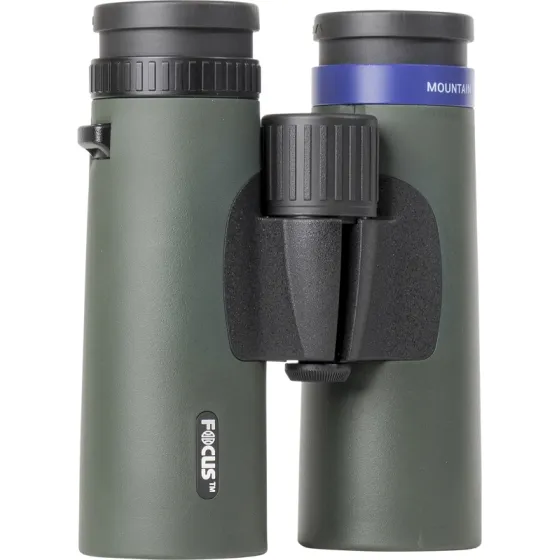
Focus Activa 10x32
Sea — Marine binoculars
Marine binocular requirements
Marine binoculars must be waterproof, nitrogen-filled to prevent fogging, and provide a stable view on waves. Preferred configs are 7×50 or 8×56 for brightness and stability.
Key features:
- Magnification 7×–8× for stability on water
- Large objectives (50–56 mm) for low-light performance
- Waterproofing and nitrogen filling
- Optional compass or floating strap for safety
Recommended models:
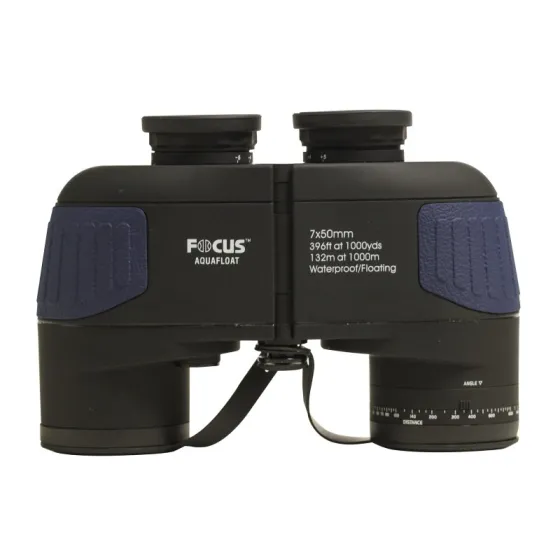
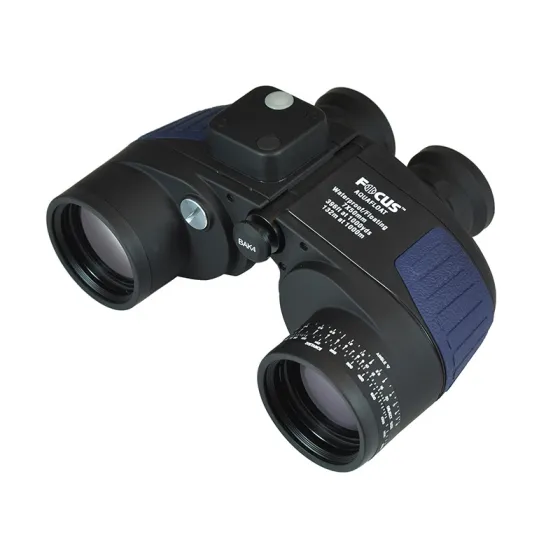
- Focus Aquafloat 7x50 — ID 2842
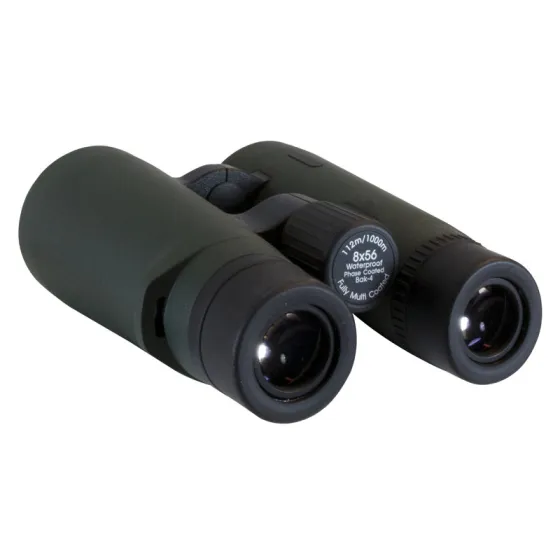
- Focus Observer 8x56 — ID 2675
FOCUS AQUAFLOAT 7x50 WATERPROOF
Hunting — Hunting binoculars
Hunting binocular essentials
Hunting requires bright, sharp optics with reliable coatings and rugged, waterproof construction. Preferred magnifications are 8×–10× and objective sizes 42–56 mm for low-light performance.
Key criteria:
- 8×–10× for quick target acquisition and tracking
- 42–56 mm objectives for dusk/dawn light
- BaK4 prisms and phase-correction/FMC coatings for contrast
- Waterproofing and nitrogen filling
Recommended models:
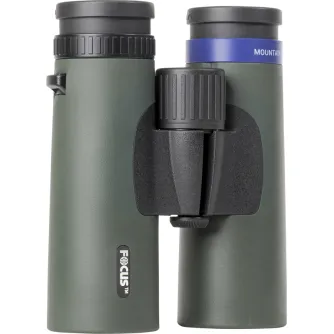
- Focus Mountain 10x42 — ID 40015
- Focus Observer 8x56 — ID 2675
Focus Optics Focus Mountain 10x42 VL-10X42L
Tips & recommendations
Practical tips for choice, care and use
Choosing magnification and objective: 6–8× for children and marine use; 8–10× for travel and hunting; 10×42 and 8×56 for low-light; 20×+ for stationary long-range with tripod.
Prism type and coatings: Prefer BaK4 prisms and FMC coatings; phase-correction important for roof prisms.
Construction: Waterproofing and nitrogen filling prevent fogging; rubber armour protects against impacts; good hinge and eyecup adjustment improve handling.
Care:
- Use a soft brush and lens cloth for cleaning
- Avoid harsh solvents
- Store in a dry case; check seals after heavy use
FOCUS JUNIOR 6X21
How to choose — Practical steps
1. Define use case: children, travel, sea, hunting, astronomy.
2. Choose magnification and objective: 6–8× (21–33 mm) for kids; 8–10× (32–42 mm) for travel and hunting; 7×50 or 8×56 for marine; 20×60+ for stationary long-range with tripod.
3. Check optics: BaK4 prisms preferred; FMC coatings and phase-correction for roof prisms.
4. Evaluate build: waterproofing, nitrogen fill, rubber armour and durable hinges.
5. Try in-store for comfort and eye relief; compare eye cups and interpupillary range.
Examples:
- Focus Junior 6x21 — ID 2624
- Konus Basic 12x32 — ID 31131
- Focus Activa 10x32 — ID 30617
- Focus Aquafloat 7x50 — ID 2842
- Focus Observer 8x56 — ID 2675
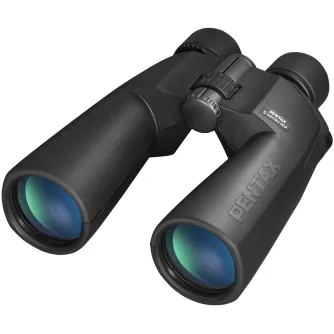
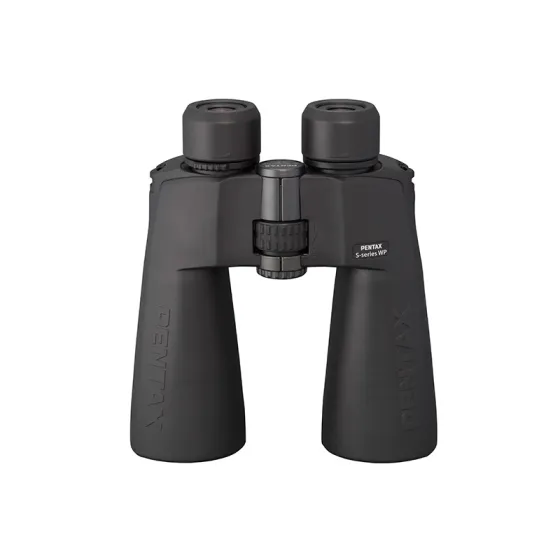
- Pentax SP 20x60 — ID 22847
FOCUS JUNIOR 6X21
Conclusion — Summary & links
Final recommendations
Choice depends on use case: children — light, simple models (Focus Junior); travel — compact with balance of weight and brightness (Activa, Mountain); sea — waterproof 7×50/8×56 (Aquafloat, Observer); hunting — 8×42–10×56 with FMC and phase coatings; long-range — 20×+ with tripod.
Buyer's checklist:
- Test in store for comfort and focus
- Verify waterproofing and nitrogen filling for marine/firearm use
- Check coatings (FMC) and prism type (BaK4)
- Consider warranty and spare parts availability