No products
 Facebook
 Google

- Write a review
Important information!
From 19 November the store is moving to new premises at 151 Dzirnavu Street, Riga!
- 14 November - the last working day at 39 F.Sadovņikova street.
- The store will be closed on 16 and 17 November due to the move.
- From 19 November, we look forward to welcoming you at our new address.
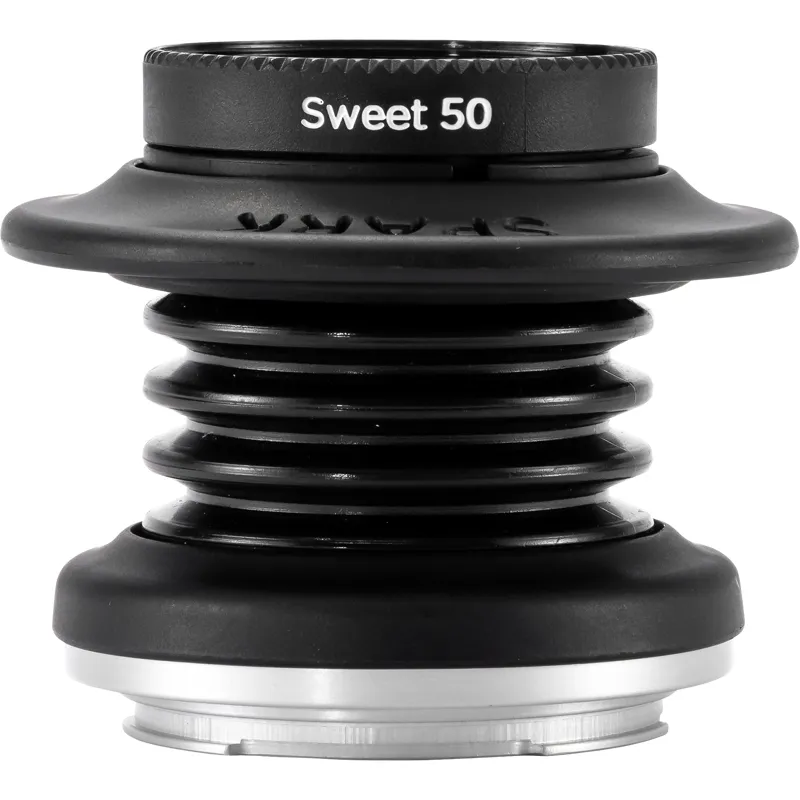
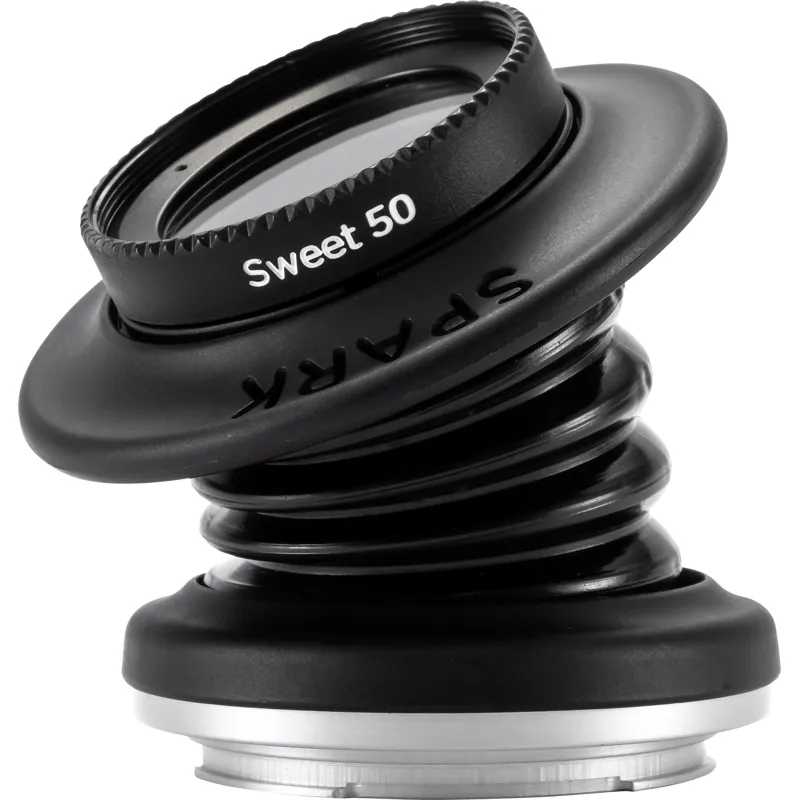
Lensbaby Spark 2.0 for Nikon F


 AI ASSISTANT CHAT
Or ask about:
| Type of Product | Lenses |
| Compatible | Canon |
| Lens mount | Canon EF |
| Lens Design | Prime Lenses |
| Lens type | medium-format |
Lensbaby Spark 2.0 for Nikon F
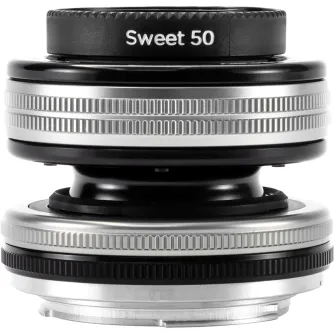
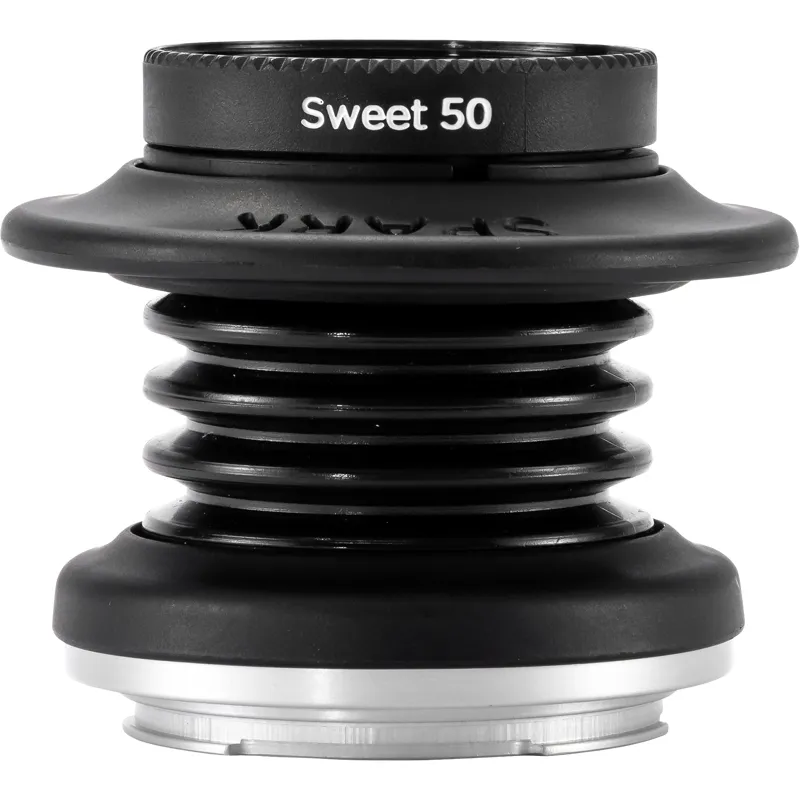
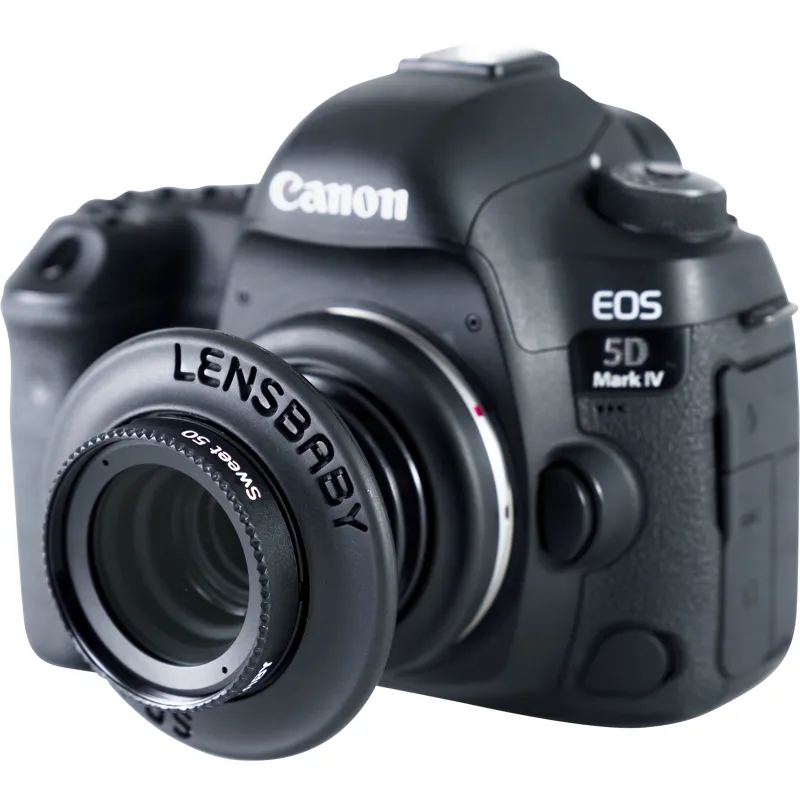
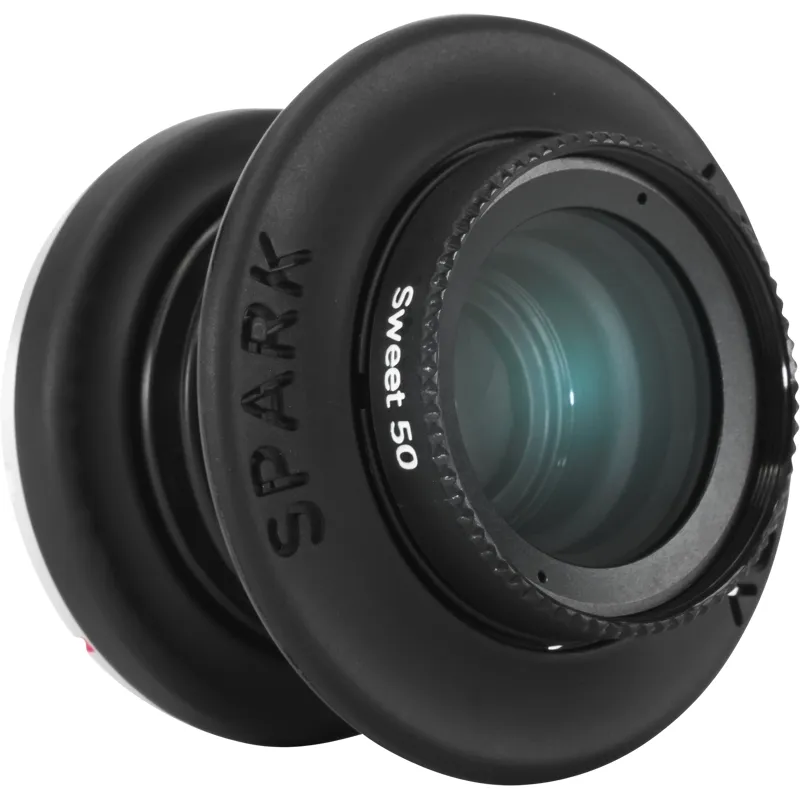
Lensbaby Spark 2.0 is an ultra-flexible creative lens that includes the Sweet 50 optic and is designed to be used with the Lensbaby Optic Swap System.
Building on the original Lensbaby design introduced in 2004, the Spark 2.0 combines the unique focusing and tilting mechanism with internally adjustable apertures. It is compatible with any of the 15 Optic Swap lenses from Lensbaby.
Key Features
- Includes the Sweet 50 lens with a fixed aperture of f/2.5
- Lens can be tilted up to 15° in any direction to create a selective focus area or "sweet spot"
- Focus is achieved by squeezing the lens body back and forth, then tilting to adjust the focus area
- Compact and lightweight design enhances portability and creative use
- Optical construction: 2 elements in 1 group with anti-reflective coating
- Minimum focusing distance: 380 mm
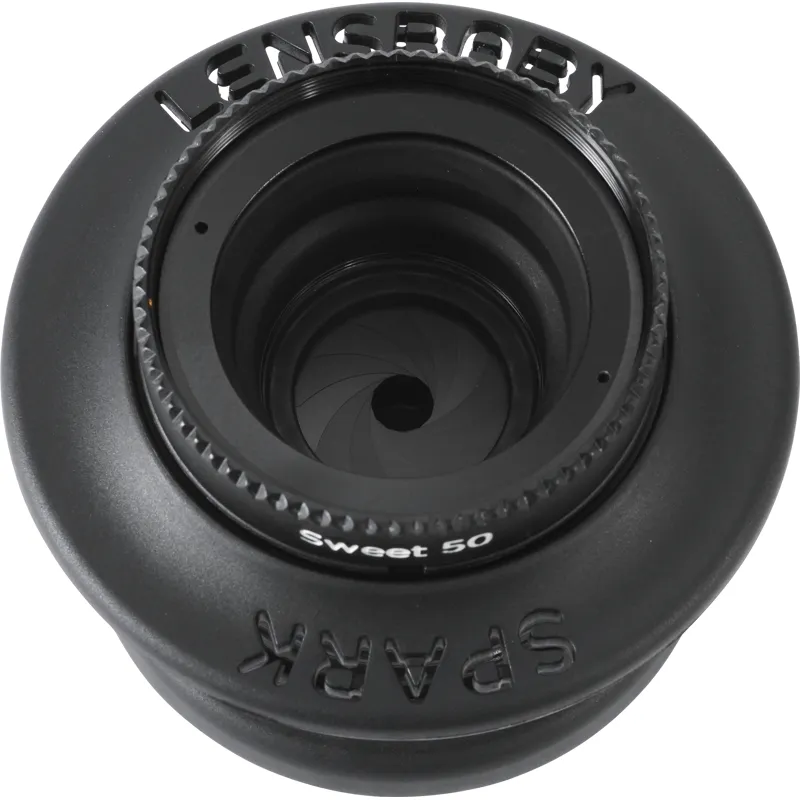
- 12 diaphragm blades for smooth bokeh rendering
- Swappable lens compatible with Lensbaby's Optic Swap System
- Available for multiple camera mounts, including Nikon F
Technical Specifications
- Mount: Nikon F
- Maximum aperture: f/2.5 (fixed)
- Angle of tilt: 15 degrees
- Optical elements/groups: 2 elements in 1 group
- Minimum focusing distance: 380 mm
- Diaphragm blades: 12
Creative Use
The Lensbaby Spark 2.0 allows photographers to explore creative selective focus effects by tilting the lens to shift the plane of focus, producing a distinctive "sweet spot" of sharpness surrounded by gradual blur. This makes it ideal for artistic photography and experimental imagery.
Similar products available to order
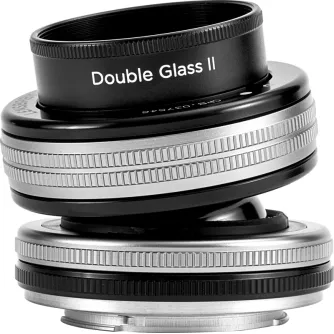
LENSBABY COMPOSER PRO II W/DOUBLE GLASS II OPTIC FOR NIKON F LBCP2DGIIN
Delivery time from 3 weeks